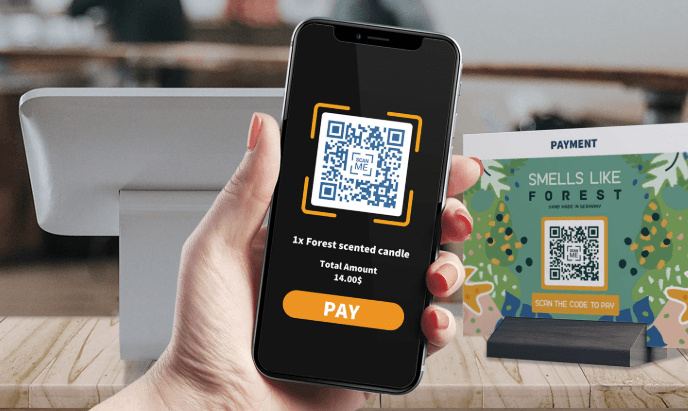
QR codes in crypto compress complex payment data into scannable symbols that link wallets, addresses, and metadata. They streamline entry, reduce errors, and accelerate settlements across merchant and peer-to-peer use cases. Wallets parse these codes to initiate transfers, verify destinations, and capture contextual notes. Yet privacy implications and static addresses raise risk discussions about exposure and reuse. The balance of efficiency and security invites further evaluation of standards, verification, and off-chain optimization.
What QR Codes Do in Crypto: Fundamentals and Benefits
QR codes in cryptocurrency serve as a compact, machine-readable representation of wallet addresses and payment requests, enabling quick, error-reducing transfers. The mechanism reduces manual entry, accelerates settlement, and supports scalable merchant adoption.
Privacy pitfalls emerge from on-chain exposure patterns and static addresses, while off chain optimization can enhance throughput.
Security and interoperability standards shape adoption, metrics, and competitive differentiation across ecosystems.
How Payments and Wallets Work With QR Codes
Payments and wallets leverage QR codes as a bridge between user intent and blockchain settlement, translating a destination address and payment metadata into a compact, machine-readable string that scanners and wallets can parse without manual entry.
The mechanism benefits speed and reproducibility, yet privacy myths persist while marketing hype sometimes overclaims interoperability, highlighting the need for verifiable standards, audits, and user-controlled data exposure.
Use Cases: Everyday Scenarios for Crypto QR Codes
Across everyday contexts, crypto QR codes streamline routine transactions by converting payment intent, recipient address, and metadata into a compact, scannable format that minimizes manual entry and reduces error rates.
In practice, QR codes enable rapid, verifiable transfers across retail, peer-to-peer, and service payments, while data-driven adoption reveals exposure to QR codes in scams and QR code phishing threats, necessitating vigilance.
Safety and Best Practices for QR Code Crypto Transactions
How can stakeholders minimize risk when leveraging crypto QR codes, given the convergence of payment precision and potential fraud vectors? In practice, safety rests on standardized verification, transaction controls, and audited wallet integrations. Data-driven insights emphasize phishing deterrence, secure display, and multi-factor confirmation. Privacy concerns and accessibility challenges must be balanced with usability to sustain trusted, scalable crypto QR ecosystems.
Frequently Asked Questions
What About QR Codes in Non-Financial Crypto Apps?
QR codes in non-financial crypto apps expand beyond payments, enabling quick asset verification, logistics tracking, and smart contract onboarding. Potential use cases include identity attestation, decentralized data exchange, and provenance checks, supporting freedom through verifiable, tamper-evident workflows.
Do QR Codes Track Transaction Metadata or User Identity?
QR code privacy concerns arise: they do not inherently reveal user identity, but software and networks may enable metadata tracking, linking transactions. The analysis emphasizes privacy risks, noting potential exposure through associated metadata and operational patterns.
Can QR Codes Be Used Offline for Crypto Transfers?
Yes, but with caveats: offline usage is possible via QR‑coded data, yet transfers require online validation; the suspense lies in potential privacy implications, as offline methods may hinder timely fraud detection while preserving user freedom and control.
Are There Cross-Chain QR Code Formats?
Cross-chain QR code formats exist, enabling asset transfers across networks, though compatibility varies. The analysis highlights cross chain compatibility challenges and privacy implications, urging standardization. The industry seeks interoperable solutions that preserve user autonomy while mitigating data leakage.
See also: How Projects Build Recognition
How Do QR Codes Affect Regulatory Compliance?
Regulatory hurdles emerge from QR code data flows, impacting privacy implications and data minimization. Compliance reporting becomes essential, with standardized audit trails. The analytical view notes freedom-seeking users favor transparent, verifiable processes that reduce risk and enhance trust.
Conclusion
QR codes in crypto stand as compact portals, turning sprawling addresses into precise, scannable visuals. They map intent to settlement, much like a well-placed waypoint in a crowded network, guiding wallets with minimal friction. Data-driven patterns emerge: faster transactions, lower human error, and broader merchant adoption, tempered by privacy and security considerations. In a landscape of evolving standards, QR codes visualize efficiency while still demanding careful verification, secure display, and thoughtful off-chain optimization to sustain trust.